info@chetanyacareers.com



Why study in Canada
As an international student, you’ll be thrilled to study in Canada. 11 research-oriented institutions and universities in Canada are ranked among the top 250 globally. Numerous universities and colleges offer diverse courses and resources that promote you to elevate your academic career. Interactive teaching standards further propel the global perspective and make it easier for international students to acclimatize themselves to work in leading organizations. By graduating from one of the universities, you will gain in-depth knowledge, understanding and relevant skills such as critical thinking, research, and leadership skills.

Canadian Education System and Eligibility
The Canadian education system implements quality assurance for world-class education. Canada’s education system empowers students to progress in a fair environment free form biased of caste, creed and culture. International students can only apply to certified designated learning institutions approved by the Canadian government. Such educational institutes offer undergraduate or postgraduate programs, short term courses, internships, certificate and diploma courses. Universities in Canada grant bachelor, master, and doctoral or Ph.D. degrees while colleges offer higher education. Additional educational institutes include language schools that provide language and communication courses.

Level of higher education institutes in Canada:
Universities
Most universities in Canada offer education at three levels: bachelor, masters, and Ph.D. or doctoral studies. While some also offer short programs, diplomas and professional degrees. Both types of institutions provide diverse courses that help students take forward their careers by acquiring new skills in their field of education.
Colleges
Colleges in Canada are also known as Community College, Institute of Technology, and College of Applied Arts and Technology. By enrolling in a college, international students can gain practical, hands-on training from professional and experienced teachers. In Canada, colleges are not recognized to offer master or Ph.D. degrees.
Level of higher education courses in Canada:
Graduate courses
Both universities and colleges offer undergraduate courses to international students in Canada. College education involves career-focused learning. On the other hand, universities enable students to correlate with the practical knowledge of the subject. Plenty of resources, such as experienced professors, allot specific office hours for students to discuss their doubts. Graduate courses provide international students with proper guidance and learning of the subject. Each classroom has at least one teaching or lab assistant and graduate students from the same education field.
Duration of the courses for international students at UG level are available as follow:
In addition, a student who has completed bachelor in India is able to apply for credit transfer in the Canadian degree. With this, students can redeem their hard-earned credits and continue their education.
Master’s and Ph.D. courses
For admission in Masters degrees students must have a four year degree as the Canadian education system counts bachelor degrees of 4 years only. Fortunately some universities are considering the 3 year degree from India but in the very limited programs of studies. These courses are taught by the most renowned professor and teachers of Canada. Such courses generally require students to attend classes and gain useful knowledge of the field.
Including this, while pursuing a Masters or Ph.D. course, international students can also work as teaching research or lab assistant and efficiently support their living expenses.
Duration of the courses for international students at PG level :
Eligibility criteria for international students to study in Canada
Canada is home to world-class education institutes and research facilities. There are many courses that International students can enroll in to advance their knowledge. Students should apply six months in advance while preparing to pursue secondary education and one year in advance for postsecondary education programs from a college or university.
Below is the list of requirements that should be fulfilled to be eligible to study in Canada:
Choose your course and University at DLI
International students can only take admission in one of the designated learning institutes as only they can issue a letter of acceptance. It’s recommended that students select more than two or three relevant courses and colleges or universities for higher education as per the field of study.
Language proficiency test
It is expected from international students to prove their English or French language proficiency. They may be asked to submit the score of their IELTS, PTE and TOEFL.
Apply for a University
When applying for a university, students should provide all the requirements and supporting documents, as requested in the application—application fees for universities vary from $100 to $250. After processing the student’s application, and receiving tuition fees, universities send a letter of acceptance, also needed during visa application submission and visa interview.

Student visa
You can apply for a Canada study permit after receiving a letter of acceptance from the university. You can either submit a student visa online or visit a nearby visa application center. Your visa application must include the acceptance letter, Passport, and other documents to prove that you can finance your study abroad in Canada. While meeting all these requirements, we advise students to confirm the details with the education provider before making an application for admission.
Upcoming Educational Fairs
Does the idea of meeting university representatives sound exciting to you? Yes, we care about your aspirations so you can now benefit from the comfort of your homes! Attend webinars, interact with industry experts, note points that’ll help you, and grab all the takeaways that you can. Over the next few months, we’ve organized several virtual webinars, discussions, and other informative events for you. Register for them and learn everything you need to, at your own pace.
- MO
- TU
- WE
- TH
- FR
- SA
- SU
- 1
- 2
- 3
- 4
- 5
- 6
- 7
- 8
- 9
- 10
- 11
- 12
- 13
- 14
- 15
- 16
- 17
- 18
- 19
- 20
- 21
- 22
- 23
- 24
- 25
- 26
- 27
- 28
- 29
- 30
- 1
- 2
- 3
- 4
- 5
Events for April
1
Events for April
2
Events for April
3
Events for April
4
Events for April
5
Events for April
6
Events for April
7
Events for April
8
Events for April
9
Events for April
10
Events for April
11
Events for April
12
Events for April
13
Events for April
14
Events for April
15
Events for April
16
Events for April
17
Events for April
18
Events for April
19
Events for April
20
Events for April
21
Events for April
22
Events for April
23
Events for April
24
Events for April
25
Events for April
26
Events for April
27
Events for April
28
Events for April
29
Events for April
30
Canada Student Visa
A Canadian student visa is valid for the entire length of the study course and allows three months of extra stay to prepare students to extend their visa or leave Canada. International students should apply for a study permit or visa to take admission in a university or college in Canada. Students willing to pursue a full-time course will also need a temporary resident permit issued by the Canadian diplomatic mission. It’s advised that students fill their visa application attentively and accurately to ensure their visa application gets approved. Otherwise, it might be refused or reverted, eventually resulting in the delay of your study visa approval


Cost of living in Canada
The cost of living and Canada’s education fees are relevantly more affordable as per global standards. The tuition fee for Masters and Ph.D. programs across Canada can range from $2500 to $18000. Aspiring students with a fixed budget are recommended to search for a course and university that matches their budget. As the cost of living in Canada largely depends on the course, university and city chosen to stay and pursue higher education.
On average, excluding tuition fees, the living cost for international students in Canada is $12,000. Toronto and Vancouver have the most high-priced apartment rental that ranges from $900 to $3000 per month. Students can smartly reduce their living costs to $400 – $800 by sharing an apartment, transportation, and other services with other students.
Moreover, apart from education fees, the cost of living, transportation, food, and entertainment can also claim a large part of your expenditures in Canada. Therefore it is advised to students first to understand the financial requirements of studying in Canada and confirm if they will be able to pay.
To ease international students from the strain of financial expenses, Canada allows them to work for less than 20 hours a week. If students want to work full time or enrol in placement, they will have to apply for a work permit. Depending on the city, the average pay per hour that International students can earn varies from $11 to $15 per hour

Fees and scholarship
The education fee for undergraduate programs in Canada differs from $13,000 to $20000 per year. Postgraduate and master course fees range from $17000 to $25,000, while doctoral and MBA courses fees vary from $7000 to $15000 and $30,000 to $40,000 per year. To support their study in New Zealand, international students should apply for scholarships or grants.
Here we have suggested some of the most prevalent scholarships programs among international students:

Canadian Commonwealth scholarship plan
This scholarship plan is only available for international students who wish to study in one of the research centres or institutes and pursue a Master’s or Ph.D. level education. With this scholarship, students are offered living allowances and compulsory tuition fees.
Ontario Trillium scholarship program
Each year 75 Ontario Trillium scholarships are awarded to extraordinary students based on their academic profile and skills. This scholarship covers $40,000 of annual expenses and is valid for a maximum of four years. Universities in Ontario assess the application of international students and award them scholarship as per merit and criteria.
Canadian Asian Scholarships and Educational Changes for Development
This scholarship is most recommended to Indian students. For college graduate and undergraduate students, this scholarship provides $10,000 – $16,000 for one academic term of study or research. It also covers costs such as visa, work permit, annual premiums for health insurance, and other expenses, including accommodation, utilities, food, and transportation expenses. However, it does not include electronics expenses such as computers and other equipment.
Undergraduate courses in Canada
Graduate courses in Canada can be pursued from a college or university. However, they both offer distinctive learning experiences mainly due to their study methods and course structure. Colleges provide graduate courses with career-oriented knowledge, whereas universities prepare students to garner practical education in their field of education.
Graduate courses in Canada include Engineering, Information technology, Business management, Pharmacy technician, Hospitality management, etc.

Post Graduate courses in Canada
The composition of postgraduate courses in Canada extensively depends on the university. In general, these courses are research-oriented and include programs like Master, Ph.D., or doctoral programs. Postgraduate courses take 3-5 years for completion. Students must attend classes and produce original research to support their project, thesis, or dissertation during the study. Post-graduation courses’ eligibility criteria include a bachelor’s degree with an average aggregate of 70% and the minimum score for GMAT 600, IELTS 6.5, TOEFL 250.
Postgraduate courses in Canada include:

Business management
Canada is the best destination for pursuing post-graduation in business management. Degrees earned in this field propose great global opportunities to aspiring students
Hospitality management
Every year Canada welcomes millions of tourists from different countries around the world. This dynamics empowers the tourist industry in Canada and makes it profoundly employable and profitable. By pursuing a postgraduate degree in hospitality management, international students can develop skills to work in renowned hospitality and travel service provider organizations.
Information technology
Canada being a leading country in information technology offers excellent career prospects for international students. Students can pursue Information and technology courses from a number of Canadian universities and colleges.
Health science
Postgraduate courses in health science are offered in several subjects. This course provides practical knowledge to help students master the field of expertise and get administrative positions in healthcare facilities, health support organizations, and hospitals.
There are many other valued postgraduate courses for international students, such as Science and engineering, artificial intelligence, and data analysis robotics.
Top Universities in Canada
Due to their worldwide recognition, universities in Canada are most preferred by international students. The teaching faculty is highly experienced with education and hones field research in their area of the subject. Above all, Canadian universities’ education system is student-friendly and empowers students to unleash the potential of their academic career.
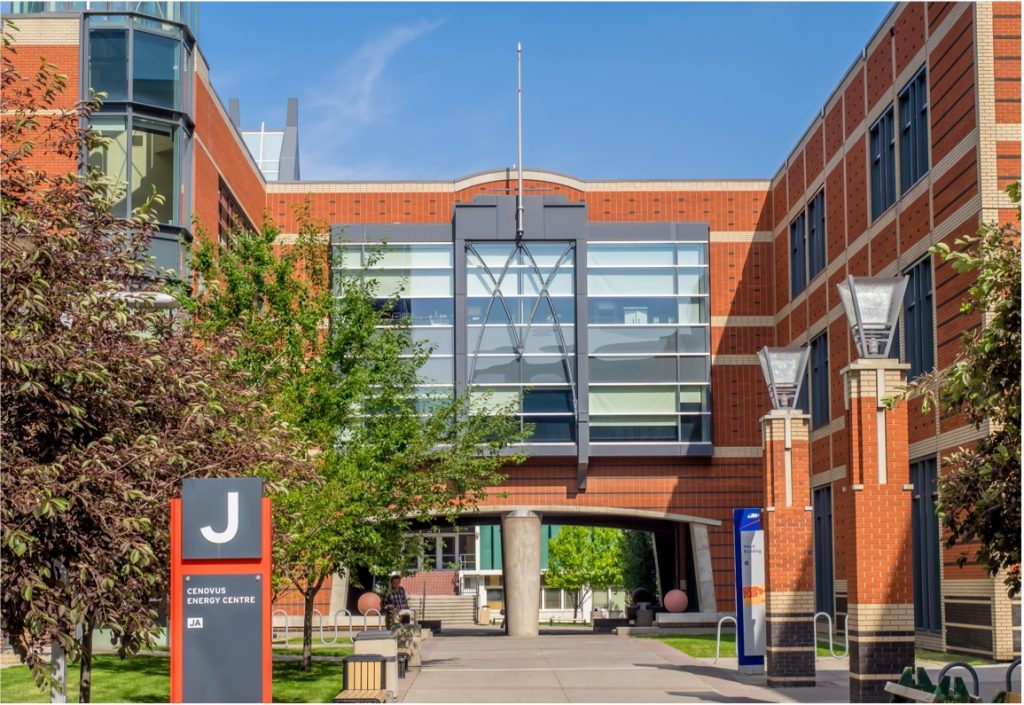
University of Alberta
The University of Alberta is a public research institute established in 1908. It is situated in Edmonton, Alberta, Canada and has 18 faculties. It offers a range of professional and academic courses focusing on research at both undergraduate and postgraduate levels.
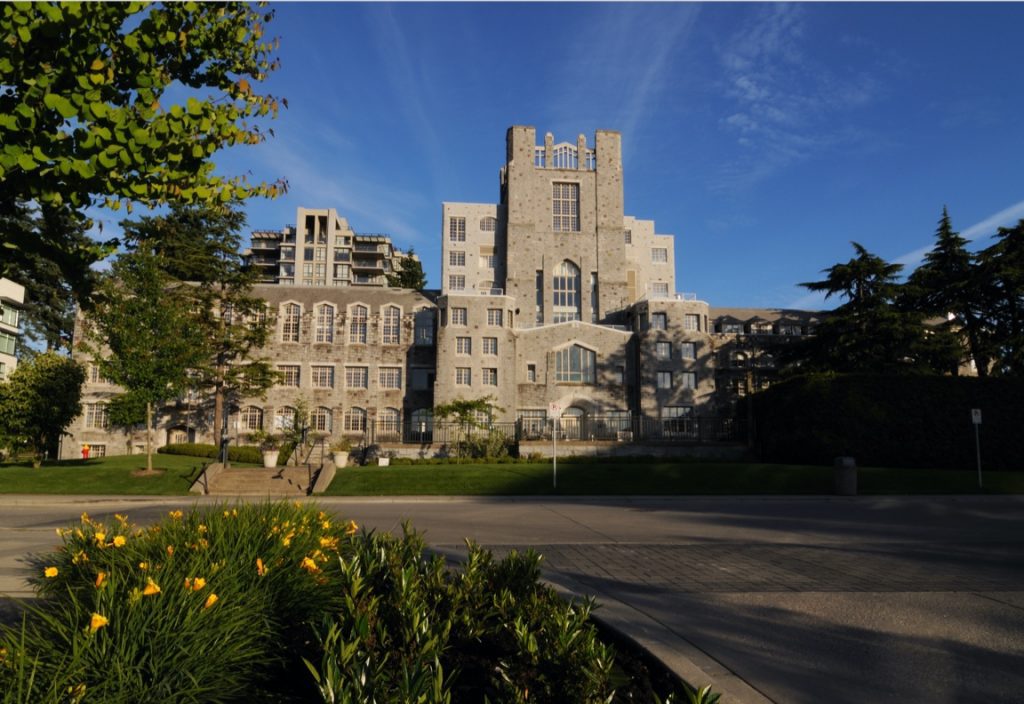
University of British Columbia
The University of British Columbia was established in 1908. It is an open research university that offers both undergraduate and postgraduate degree programs, distance education programs, exchange programs and joint academic programs. This university offers a wide range of different programs that allow students to choose any course according to their interests. Some of the university's programs are architecture, law, dentistry, anthropology, medicine, philosophy, and ancient culture.
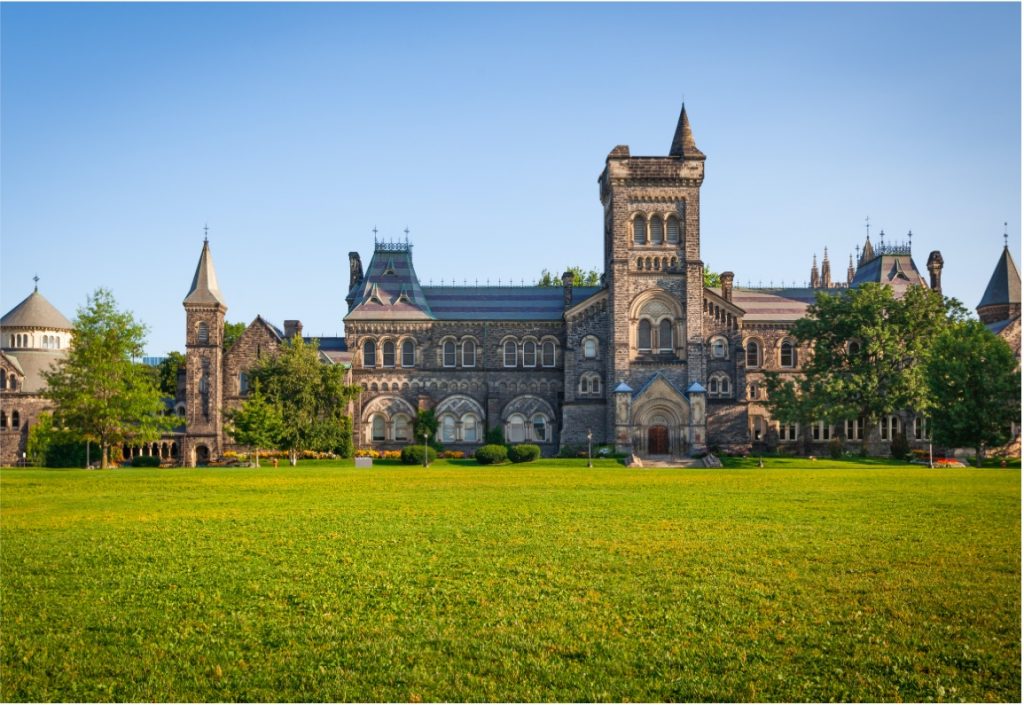
University of Toronto
The University of Toronto was founded in 1827, and it has developed into a leading institution of knowledge and learning around the world. This university is located in Toronto, Ontario, Canada. It is one of the top research-intensive universities in the world and a global leader in teaching. This university's campuses are situated in the most dynamic urban areas that provide a unique learning environment.
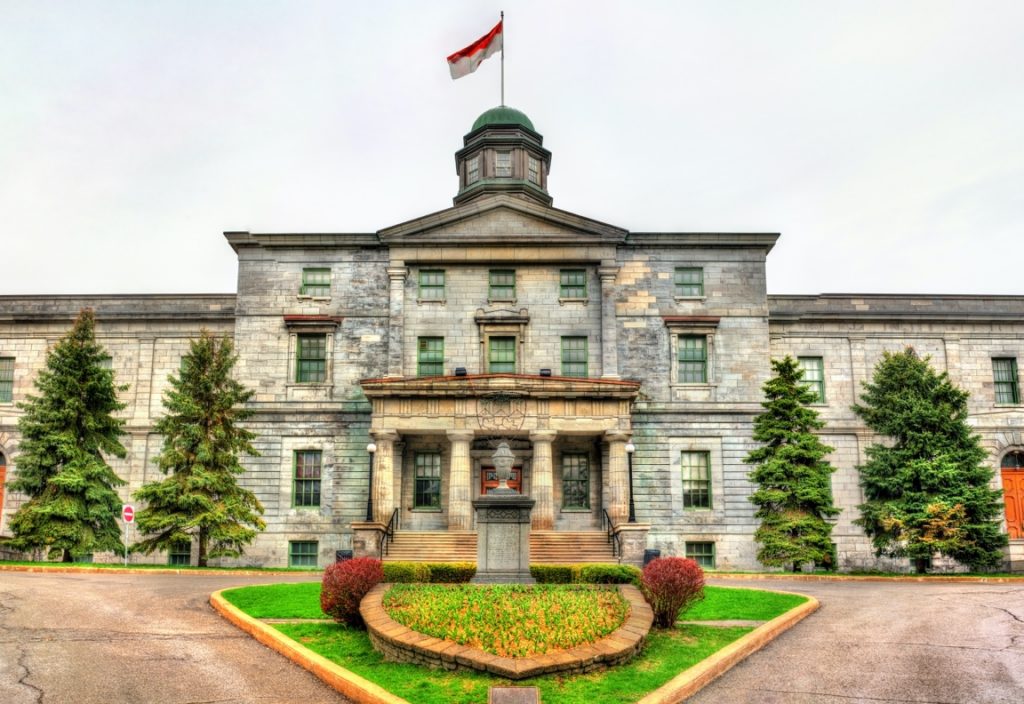
McGill University
McGill University is an open research university. It was founded in 1821 in Montreal, Quebec. It has a considerable number of PhD students in comparison to the other institutes of Canada. This university offers more than 400 programs through 50 of its institutes and research centres.
Including these institutions, the University of Calgary, University of Waterloo, University of Windsor, York University, University of Victoria, University of Saskatchewan, University of Ottawa, and Concordia University, also awards world-recognized degrees to international students.
In addition to these institutions, the University of Calgary, University of Waterloo, University of Windsor, York University, University of Victoria, University of Saskatchewan, University of Ottawa, and Concordia University, also awards world-recognized degrees to international students.
Top Colleges in Canada
Colleges in Canada provide international students with career-oriented studies. It encourages students to match their academic skills with shifting global requirements. By enrolling in a Canadian college, you can pursue a diploma, applied degree, certificate, or take a university transfer program and apprenticeship program. The duration of courses offered in colleges varies but generally are shorter than university courses
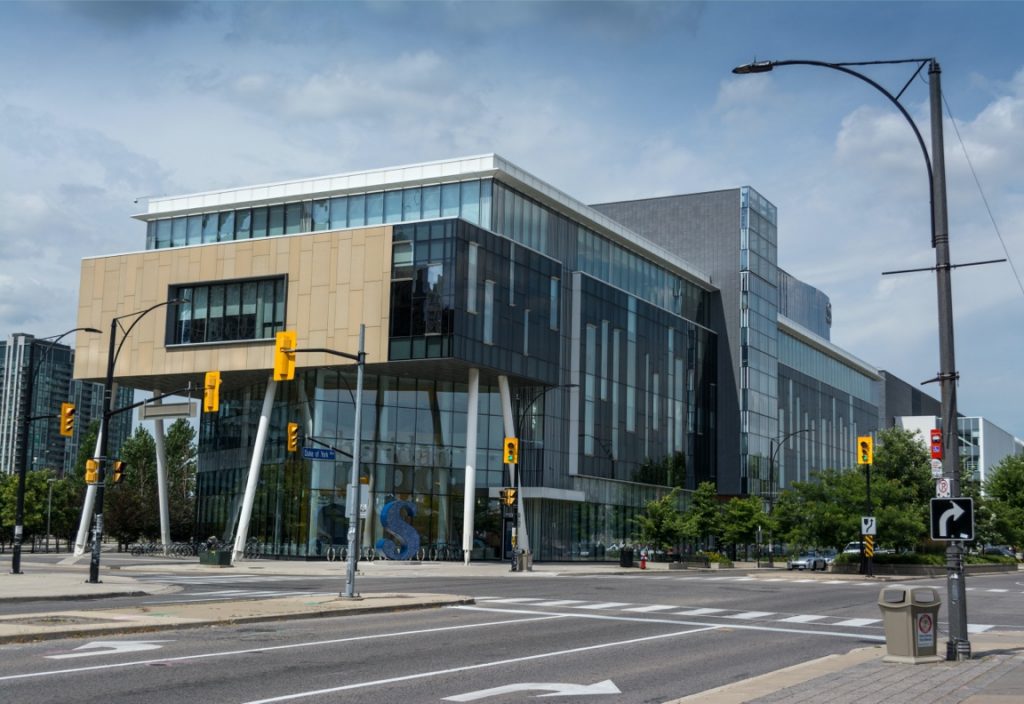
Sheridan College
Sheridan College was established in 1967. It is a leading institution that grants diplomas and degrees in Ontario, Canada. Some popular subjects offered in Sheridan College are Journalism, Community Studies, Animation and Game Design, Applied Computing and others.
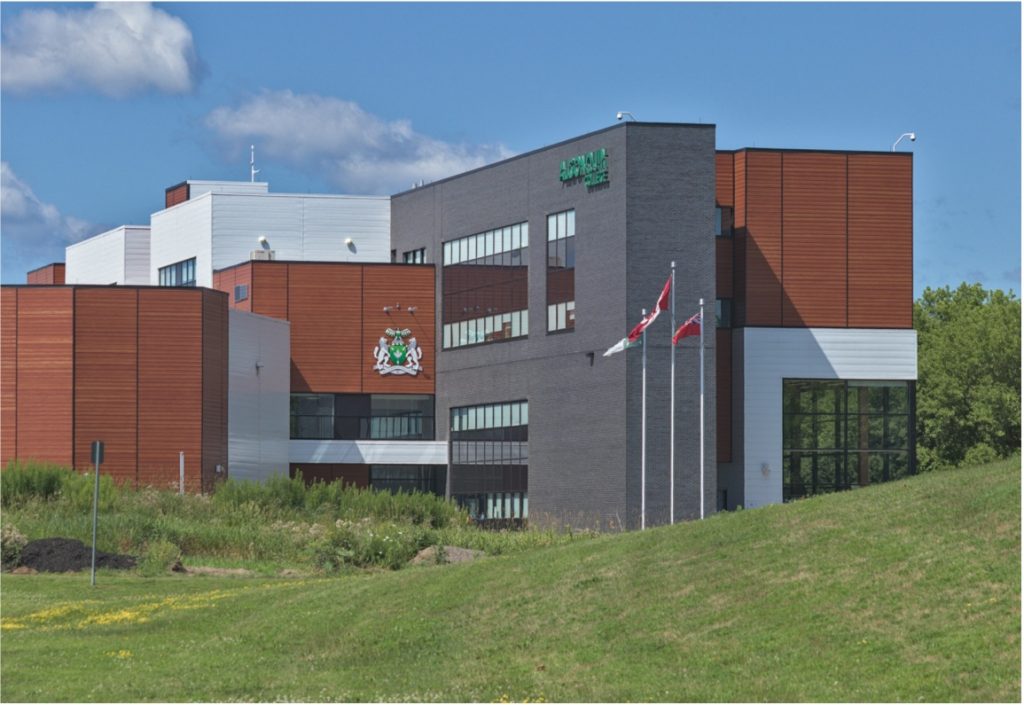
Algonquin college
Algonquin College was founded in 1967. It is an open Institute of applied arts and technology associated with Polytechnics Canada, the Canadian Bureau for International Association and the Canadian Collegiate Athletic Association. This Institute offers both undergraduate and postgraduate degree programs, including different courses like Hospitality and Tourism Management, Building Science, Information Technology, Commerce, Nursing and Public Safety.
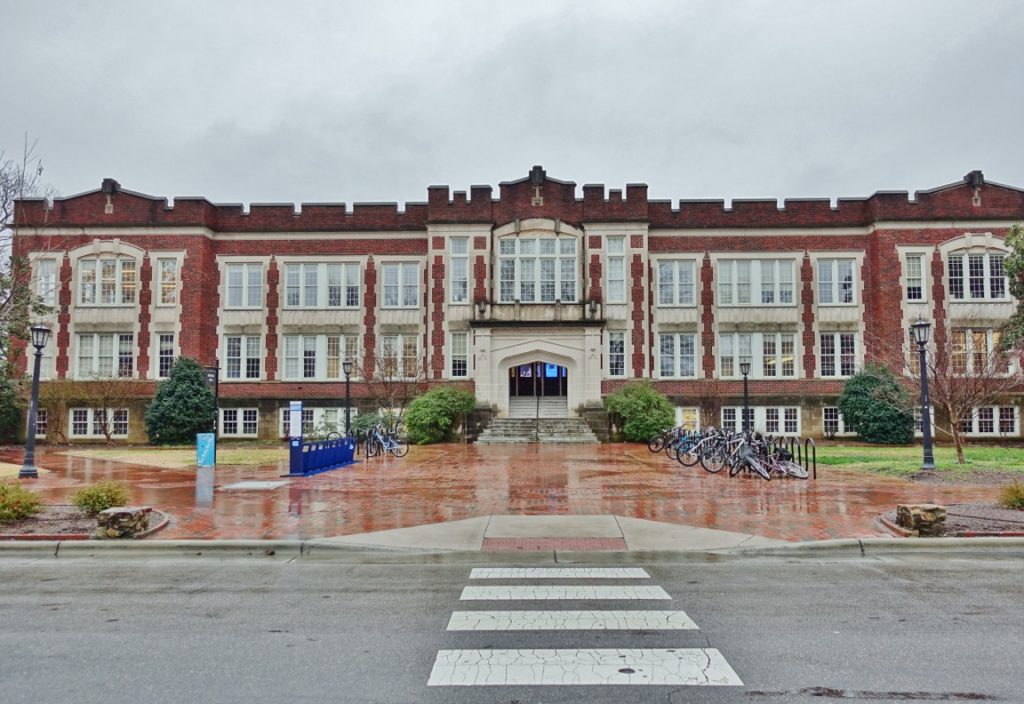
Durham college
Durham College was established in 1967, and it is located in Durham, Ontario. This college offers many online, full-time, diploma and certificate courses in the programs of media, health, engineering, general arts, justice and skilled trade. This institute also organizes different kinds of other learning programs like Sewing, cooking, fashion and beauty camps.
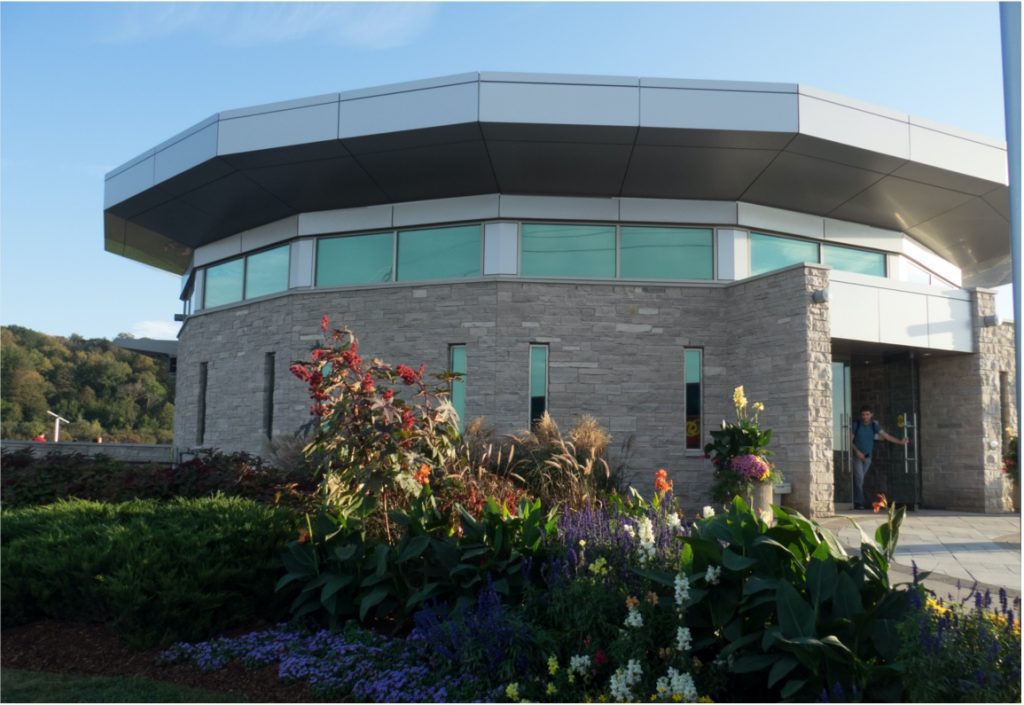
Niagara College Canada
Niagara College was established in the year 1967 at Welland. It offers different learning programs to students like early childhood education, acting for film and television, broadcasting and community safety studies. The college currently has three working campuses in Canada.

Selkirk college
Selkirk College was Founded in the year 1966 and is working with the student union. This union is associated with the college and offers different support systems to the students. Some of these services include Assessment services, Co-op education, co-curricular record, Employment services, Accessibility services, Counselling services, Wellness Centre, Early alert support system, Indigenous services, Coaching for success and Writing center.
Intakes & deadlines for 2020
The intakes are available in Canada Fall starting from October, winter from January and spring from April. The best time to apply for a admission in Canada is that 5 to 6 months in advance in most of the institutes.. Ensure you submit your admission application correctly along with the required documents and test scores before the deadline.

Student Visa Checklist for Canada
To study abroad in Canada for more than six months, international students must obtain a student visa. But before you apply, make sure you have all the required documents and evidence to support your visa application. The Canadian embassy prioritizing the SDS category in which students have the following – 6 bands each module & admitted in a DLI Program additionally paying 1 year fees & GIC for 1 year along with the medical test eligible to apply under SDS. Any prerequisites mentioned in SDS not met of the student fall the visa application into General filing i.e. NON- SDS Category.
Here we have given a checklist that helps you learn the requirements for a Canadian student visa; it includes:

- Original Passport with minimum validity of 6 months remaining
- Acceptance letter from college for university
- Medical exam
- Submit family information form
- Educational certificates
- Language test results
- Letter of explanation
- Proof of funds
- Scholarship
- GIC certificate
Original Passport with minimum validity of 6 months remaining
Your Passport should be valid for the duration of course. If you have any cancelled or expired Passport, submit the copies of the same documents with the visa application.
Acceptance letter from college for university
You can only apply for a Canadian visa if the University has accepted you. To prove this in your visa application, you will have to submit the electronic copy of the letter along with the application. This letter should state that you have been unconditionally accepted, and include information about the course with its duration and study level.
Medical exam
A medical exam certificate is recommended to international students travelling to Canada to study a course for more than six months. To get your medical certificate, you should take an appointment with the nearby panel physician authorized by IRCC.
Submit family information form
Submit family information form and enter the correct details of parents, brothers, sisters, step-siblings and half-siblings.
Educational certificates
It includes 10th, 12th, bachelor’s and master’s mark sheets, diplomas, and leaving certificates of the students.
Language test results
You can prove your language proficiency by submitting the scores of IELTS, GMAT. However, such tests should be taken within the last two years.
Letter of explanation
In this letter, students should demonstrate the reasons behind pursuing their college or university level education from Canada. They should also display that they are aware of a student’s responsibilities in a Canadian university or college.
During your visa interview, you can be asked to present your letter of explanation to the counsellor to verify your claim and, if required, ask you relevant questions.
Proof of funds
Each student should keep the minimum amount of $10,000 to cover living expenses. To prove that you have sufficient funds to study and live in Canada, it is required to submit proof of funds. It includes the letter issued by an individual sponsor, parent’s ITR of the past two years, copy of your tuition fee receipt, or education loan statement from a recognized Bank equivalent to $10,000.
Scholarship
Submit the official letter of your scholarship that should state the amount of money, duration of the scholarship and other conditions.
GIC certificate
Submit the GIC application form to prove your claim that you have paid the tuition fee and have $10,000 as a minimum amount for living in Canada.
Here are some other required documents and steps that should be followed for successful submission of visa application:
1. Health insurance
2. Proof of identity
3. Two photographs
4. Valid debit or credit card
5. Pay biometric fee
6. Canadian bank account
7. Proof of visa and embassy fee payment
8. Attend visa interview in person and on time
9. Submit completely signed application form with barcode page
10. Apply at least three months before your proposed date of travel
While preparing your visa application, make sure to submit all the required documents in English or French. In case you make any false statement or submit any fraudulent document, your visa application will be rejected. If you fail to submit the required documents, it may result in the delay or refusal.
Study Visa Process
While applying online, it may take some hours to process your visa eligibility application. Once confirmed, you’ll be notified with a confirmation number and biometric instruction letter that can be viewed in your IRCC account. Please print out the confirmation page and instructions and carry them with you for -biometric submission. Normally the processing time is 20 to 30 days on average.

Online visa process includes:
Open the official website of the Canada immigration and Citizenship department and check your visa eligibility. After the completion of the form, you will be provided with a personal reference code. Print out of the same page and submit it while making your visa application.
After it, you should sign in to your IRCC account on Immigration and Citizenship website and follow the steps mentioned below:
Coronavirus update: All VACs in India are temporarily closed in India until further notice.
Embassy fees:
1. $150- Study Visa or permit
2. $85- Biometrics fee
Speak to Our Counselors
Canada promises excellent academic and professional career opportunities for international students. It’s a dream for many students to take admission in Canada’s reputed universities and research institutes. With our counsellors’ right assistance, international students can find the right program, university, and city in Canada without putting much effort.